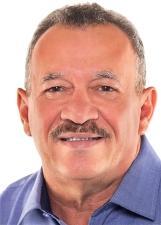
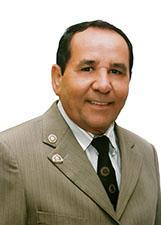
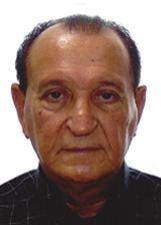
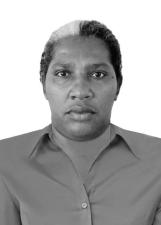
In 2018, in Espírito Santo, 10 federal deputies were elected, according to data from Brazil's Superior Electoral Court (TSE). The largest caucus was that of PSB (2). The most votes went to Amaro Neto (PRB), with 181,813 votes (9.41% of the valid votes). The electoral quotient was about 193,302 votes, and the lowest vote total among those elected was 48,412: seats are allocated to the party first.
The quotient is the number of votes the party needs per seat (valid votes ÷ seats); the seat goes to the party's most voted candidate. The cutoff is the lowest vote total among those elected (the entry threshold), and it is usually much lower than the quotient. The top non-elected is the highest vote total among those not elected, and it can be higher than the cutoff (it is then highlighted), because the seat belongs to the party before it belongs to the candidate. Learn about the cutoff and the quotient in the tutorial.
The table above already includes every year from 1994 onward. To see an election before 1994, choose the year in All elections in Espírito Santo.
General Election·2018·Federal Deputy·Espírito Santo (ES)
6 candidacies on this list had their votes annulled, according to data from the TSE: they appear at the end, with the votes entered on the voting machines (the machine tally report), without a percentage and outside the ranking of valid votes, because these votes are not part of the valid votes. The tag next to it shows the status of the candidacy registration in the TSE data, which may still change with a decision by the Electoral Courts.
See the result by city
Registered voters2,753,585
Turned out2,223,207
Abstentions530,378
Blank144,366
Null145,823
Valid1,933,018
Registered voters: voters who could vote. Turnout: how many went to the polls. Abstentions: how many stayed away (registered voters − turnout). Blank and Null: those who turned out but did not choose a valid candidate. Valid: the votes that count for candidates (turnout − blank − null); percentages are calculated on them.
10 seats in the Chamber of Deputies, split among 9 parties. A seat is worth about ~193,302 votes: the electoral quotient (valid votes ÷ seats). Of the 10 seats, 5 came from the quota (the party reaches the quotient) and 5 from the remainders (the seats left over go, one by one, to the party with the highest average). That is why the party with the most votes takes more than its own quota.
PSBPartido Socialista Brasileiro220.00%
247,081 candidate votes + 7,122 party-list
1 from the quota + 1 from remainders
PRBPartido Republicano Brasileiro110.00%
234,417 candidate votes + 4,549 party-list
1 from the quota
PSLPartido Social Liberal110.00%
152,247 candidate votes + 14,564 party-list
1 from the quota
PPPartido Progressista110.00%
146,613 candidate votes + 7,813 party-list
0 from the quota + 1 from remainders
PTPartido dos Trabalhadores110.00%
126,502 candidate votes + 13,896 party-list
0 from the quota + 1 from remainders
PPSPartido Popular Socialista110.00%
108,932 candidate votes + 4,789 party-list
1 from the quota
PRPartido da República110.00%
95,095 candidate votes + 5,151 party-list
0 from the quota + 1 from remainders
PDTPartido Democrático Trabalhista110.00%
80,695 candidate votes + 9,397 party-list
1 from the quota
DEMDemocratas110.00%
58,590 candidate votes + 2,575 party-list
0 from the quota + 1 from remainders
Coalition: until 2018 parties could join a single slate, and the quotient belonged to the coalition, not to each party. Seats went to the alliance and then to the candidates with the most votes within it. That is why a small party could elect someone by riding on the group's total. Use Group by coalition above to see who ran together. From 2020 on this ended in proportional elections; what exists today is the federation, which is permanent: parties that federate must stay together for at least 4 years, nationwide and during the term, not only for the election.
Elected seats, from the TSE results. This is the composition that came out of the ballot boxes, not the one the chamber had over the legislative term: anyone who switched parties after the election does not change this number. The count adds up those elected, without recalculating the quotient, so it matches the legal size of the chamber.
Votes by party (all, including those that elected no one)
Each party by its total votes (candidate votes + party-list votes), including those that won no seat. The number on the right is how many electoral quotients the party added up (votes ÷ quotient): below 1.0 it did not reach, on its own, the cost of a seat, but it could still elect through the coalition or the remainders.
Todas as eleições in Espírito Santo 31 anos, de 1933 a 2026▾
As eleições do Espírito Santo, ano a ano: nas eleições gerais de 1933 a 2026, a votação de cada candidato a presidente (somada no estado), governador, senador, deputado federal e deputado estadual, com a lista completa dos candidatos e quem foi eleito; nas eleições municipais de 1996 a 2024, prefeito e vereador, apurados cidade a cidade: cada uma leva às cidades do Espírito Santo. Escolha o ano e o cargo:
General election: president, governor, senator and deputies. Municipal election: mayor and city councillor.
The cutoff table covers from 1994 to 2026; the results by election go as far as the TSE publishes each office. Mayor and city council votes are counted city by city: in the list of elections, each one takes you to the cities in the state.
The percentage of valid votes is not shown in this table: valid votes include party-only votes, which do not go to any candidate.