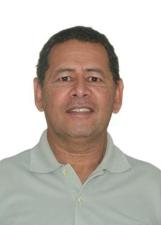
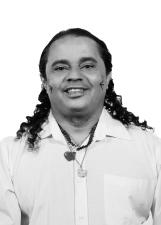
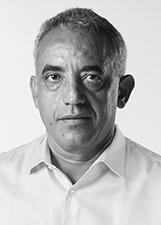
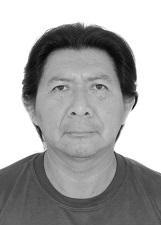
In 2018, in Distrito Federal, 8 federal deputies were elected, according to data from Brazil's Superior Electoral Court (TSE). The largest caucuses were those of PR, PT, PRP, PRB, PV, DEM, PPS and PP, with 1 each. The most votes went to Flavia Arruda (PR), with 121,340 votes (8.43% of the valid votes). The electoral quotient was about 179,985 votes, and the lowest vote total among those elected was 31,610: seats are allocated to the party first.
The quotient is the number of votes the party needs per seat (valid votes ÷ seats); the seat goes to the party's most voted candidate. The cutoff is the lowest vote total among those elected (the entry threshold), and it is usually much lower than the quotient. The top non-elected is the highest vote total among those not elected, and it can be higher than the cutoff (it is then highlighted), because the seat belongs to the party before it belongs to the candidate. Learn about the cutoff and the quotient in the tutorial.
The table above already includes every year from 1994 onward. To see an election before 1994, choose the year in All elections in Distrito Federal.
General Election·2018·Federal Deputy·Distrito Federal (DF)
Annulled votesReplaced in the registry · PRB · No. 1005
—Lia Aires41
Annulled votesRejected · PCO · No. 2959
—Vera Lucia39
Annulled votesRejected · DC · No. 2717
—Kengy19
Annulled votesWithdrawal · PCO · No. 2949
17 candidacies on this list had their votes annulled, according to data from the TSE: they appear at the end, with the votes entered on the voting machines (the machine tally report), without a percentage and outside the ranking of valid votes, because these votes are not part of the valid votes. The tag next to it shows the status of the candidacy registration in the TSE data, which may still change with a decision by the Electoral Courts. When the party replaced the candidate and kept the number, the tally report does not say whose vote it was: the line shows only the number.
Registered voters2,081,218
Turned out1,691,392
Abstentions389,826
Blank122,858
Null128,658
Valid1,439,876
Registered voters: voters who could vote. Turnout: how many went to the polls. Abstentions: how many stayed away (registered voters − turnout). Blank and Null: those who turned out but did not choose a valid candidate. Valid: the votes that count for candidates (turnout − blank − null); percentages are calculated on them.
8 seats in the Chamber of Deputies, split among 8 parties. A seat is worth about ~179,985 votes: the electoral quotient (valid votes ÷ seats). Of the 8 seats, 3 came from the quota (the party reaches the quotient) and 5 from the remainders (the seats left over go, one by one, to the party with the highest average). That is why the party with the most votes takes more than its own quota.
PRPartido da República112.50%
157,519 candidate votes + 3,193 party-list
1 from the quota
PTPartido dos Trabalhadores112.50%
120,849 candidate votes + 9,337 party-list
0 from the quota + 1 from remainders
PRPPartido Republicano Progressista112.50%
115,986 candidate votes + 2,676 party-list
0 from the quota + 1 from remainders
PRBPartido Republicano Brasileiro112.50%
81,296 candidate votes + 2,261 party-list
1 from the quota
PVPartido Verde112.50%
70,446 candidate votes + 719 party-list
1 from the quota
DEMDemocratas112.50%
69,799 candidate votes + 1,284 party-list
0 from the quota + 1 from remainders
PPSPartido Popular Socialista112.50%
56,488 candidate votes + 2,103 party-list
0 from the quota + 1 from remainders
PPPartido Progressista112.50%
51,878 candidate votes + 3,222 party-list
0 from the quota + 1 from remainders
Coalition: until 2018 parties could join a single slate, and the quotient belonged to the coalition, not to each party. Seats went to the alliance and then to the candidates with the most votes within it. That is why a small party could elect someone by riding on the group's total. Use Group by coalition above to see who ran together. From 2020 on this ended in proportional elections; what exists today is the federation, which is permanent: parties that federate must stay together for at least 4 years, nationwide and during the term, not only for the election.
Elected seats, from the TSE results. This is the composition that came out of the ballot boxes, not the one the chamber had over the legislative term: anyone who switched parties after the election does not change this number. The count adds up those elected, without recalculating the quotient, so it matches the legal size of the chamber.
Votes by party (all, including those that elected no one)
Each party by its total votes (candidate votes + party-list votes), including those that won no seat. The number on the right is how many electoral quotients the party added up (votes ÷ quotient): below 1.0 it did not reach, on its own, the cost of a seat, but it could still elect through the coalition or the remainders.
Todas as eleições in Distrito Federal 17 anos, de 1933 a 2026▾
As eleições do Distrito Federal, ano a ano: nas eleições gerais de 1933 a 2026, a votação de cada candidato a presidente (somada no estado), governador, senador, deputado federal e deputado distrital, com a lista completa dos candidatos e quem foi eleito. Escolha o ano e o cargo: