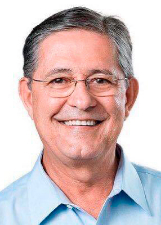
Régis Cavalcante reported income and spending to the TSE in 6 campaigns: federal deputy for Alagoas in 2006, 2014, 2018 and 2022, state deputy for Alagoas in 2010, and city councillor in Maceió (AL) in 2016. The amounts are those of the time of each campaign, not adjusted for inflation. In the most recent campaign, in 2022, reported R$ 2.3 million in income: R$ 2.2 million from the Electoral Fund (FEFC), R$ 12 thousand de outros recursos do partido and R$ 16 thousand from own funds. Contracted spending totals R$ 2.5 million, mainly on third-party services (R$ 953 thousand) and production of radio, television or video programs (R$ 517 thousand). In 2018, R$ 697 thousand in committed spending; in 2016, R$ 162 thousand in committed spending.
Income in 2022R$ 2.3 millioncampaign closed
Spending in 2022R$ 2.5 millioncontracted
Spending in 2018R$ 697 thousandcontracted, campaign closed
Campaigns6from 2006 to 2022
Fundraising, where the money came from:
- Electoral Fund (FEFC)
- Party Fund
- Other resources from the party and other campaigns
- Donations from individuals (includes crowdfunding)
- Companies (until 2014)
- Own funds
Raised
R$ 2.3 million
no donations from individuals
FEFC 99% · party less than 1% · own funds less than 1%
Spending contracted
R$ 2.5 million
paid: R$ 2.2 million (91%)
- Third-party servicesR$ 953 thousand38.3%
- Production of radio, television or video programsR$ 517 thousand20.8%
- StaffR$ 291 thousand11.7%
- Printed materialsR$ 178 thousand7.2%
- 10 other categoriesR$ 546 thousand22.0%
Raised
R$ 666 thousand
donations from individuals and an online crowdfunding campaign
FEFC 95% · Party Fund 3% · party and other campaigns less than 1% · individuals less than 1% · own funds 2%
Spending contracted
R$ 697 thousand
paid: R$ 635 thousand (91%)
- Third-party servicesR$ 238 thousand34.2%
- Advertising with stickersR$ 161 thousand23.2%
- StaffR$ 115 thousand16.4%
- Election polls or testsR$ 87 thousand12.5%
- 10 other categoriesR$ 96 thousand13.7%
Raised
R$ 162 thousand
donations from individuals
Party Fund 87% · party and other campaigns 5% · individuals less than 1% · own funds 7%
Spending contracted
R$ 162 thousand
the TSE does not publish the amount paid for this year
- Third-party servicesR$ 43 thousand26.6%
- Printed materialsR$ 42 thousand25.8%
- Vehicle lending or rentalR$ 19 thousand11.7%
- StaffR$ 17 thousand10.5%
- 6 other categoriesR$ 41 thousand25.4%
See the 3 previous campaigns
Raised
R$ 1 million
donations from individuals
Party Fund 57% · party and other campaigns 38% · individuals less than 1% · own funds 5%
Spending contracted
R$ 1.3 million
the TSE does not publish the amount paid for this year
- Printed materialsR$ 785 thousand59.9%
- StaffR$ 210 thousand16.1%
- Advertising with sound carsR$ 91 thousand7.0%
- Fuel and lubricantsR$ 81 thousand6.2%
- 10 other categoriesincludes R$ 3 thousand entered as "miscellaneous, to be specified"R$ 142 thousand10.8%
Raised
R$ 274 thousand
donations from individuals
Party Fund 15% · party and other campaigns 76% · individuals less than 1% · companies 8% · own funds less than 1%
Spending contracted
R$ 274 thousand
the TSE does not publish the amount paid for this year
- StaffR$ 83 thousand30.2%
- Fuel and lubricantsR$ 30 thousand11.0%
- Vehicle lending or rentalR$ 28 thousand10.3%
- Printed materialsR$ 13 thousand4.8%
- 5 other categoriesR$ 120 thousand43.8%
Raised
R$ 70 thousand
no donations from individuals
companies 100%
Spending contracted
R$ 70 thousand
the TSE does not publish the amount paid for this year
- Fuel and lubricantsR$ 20 thousand28.5%
- Printed materialsR$ 16 thousand22.9%
- Third-party servicesR$ 13 thousand17.9%
- Locação/cessão de bens móveisR$ 8 thousand11.8%
- 8 other categoriesincludes R$ 775 entered as "miscellaneous, to be specified"R$ 13 thousand18.9%
Running mates and alternates do not have their own campaign account: the account is that of the main candidate's ticket.
Source: campaign finance reports filed with the TSE (open data). Radar do Voto has these data from 2006 on in general elections and from 2008 on in municipal elections; earlier campaigns do not appear. 2022: TSE data of 13/09/2026; 2018: TSE data of 13/09/2026. Contracted spending is the total of the expenses the campaign reported; paid is the part already settled (the TSE only publishes the paid amount from 2018 on). The spending categories are the TSE's; the detail by supplier is in the dashboard. Corporate donations have been prohibited since 2015.
See donors, suppliers and spending ›