Já tem conta? Entrar
The votes of Fernando Collor de Mello in each election they ran in, from oldest to most recent. All on the same scale (the highest vote recorded); the color shows the office.
The longest bar (the one that goes all the way) is the highest vote recorded for any office, elected or not; it works as a ruler, and all the other bars are proportional to it (the longer the bar, the more votes). What shows whether the person was elected is the fill, not the length: filled (colored) bar = elected; only the dashed outline = not elected; "to the runoff" = went to the runoff. From oldest (top) to newest. Click a bar to see the result of that election. The campaign finance report of each candidacy is in the list below.
This person's history at the polls, from the most recent candidacy to the oldest.
 Governor · 2022NOT ELECTED223,585GAL · 73 years · White · Higher education, complete · Senador · PTB · no. 14 · see full result
 Senator · 2014ELECTED689,266GAL · 65 years · White · Higher education, complete · Economista · PTB · no. 144 · see full result
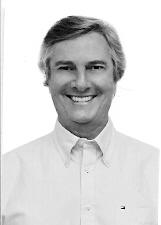 Governor · 2010NOT ELECTED389,337GAL · 61 years · Higher education, complete · Economista · PTB · no. 14 · see full result
Outside the TSE data. These offices and races are part of this person's political history, but they are not in the open data of Brazil's Superior Electoral Court: some because the TSE did not digitize the oldest elections, others because they were by indirect vote, appointment or succession, without a popular ballot. That is why they are not in the list above:
G é Eleição Geral: presidente, governador, senador e deputados. L é Eleição Local (municipal): prefeito e vereador. De 1933 a 1990 o TSE não publica cargo municipal, então esses anos são todos G.
A candidacy without votes is a registration that did not reach the ballot: according to the TSE data, a registration not approved, a withdrawal, or a running mate, who does not receive individual votes.
The race or color is the one the person declared to the TSE in the registration of each candidacy. The Court started collecting this information in 2014; that is why it does not appear in earlier candidacies.


