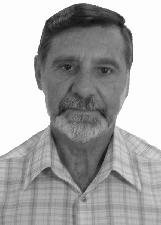
Francisco Franco ran in 5 elections between 1996 and 2012, for city councillor and state deputy, according to data from Brazil's Superior Electoral Court (TSE). He was elected 1 time: city councillor of Ji-Paraná in 1996. The highest vote was in 1996, for city councillor in Ji-Paraná/RO: 668 votes. In the 2012 campaign for city councillor in Ji-Paraná/RO, reported R$ 5 thousand in income: R$ 2 thousand de outras campanhas, R$ 3 thousand from private donations and R$ 350 from own funds. Contracted spending totals R$ 2 thousand, mainly on fuel and lubricants (R$ 1 thousand), production of radio, television or video programs (R$ 355) and advertising with printed materials (R$ 327). In the 2008 campaign, already closed, reported contracted spending of R$ 2 thousand.
3 sectionsTap a section title to open or collapse it.
1
Vote trend across elections
149 votes in 2012 · 5 elections
The votes of Francisco Franco in each election they ran in, from oldest to most recent. All on the same scale (the highest vote recorded); the color shows the office.
The longest bar (the one that goes all the way) is the highest vote recorded for any office, elected or not; it works as a ruler, and all the other bars are proportional to it (the longer the bar, the more votes). What shows whether the person was elected is the fill, not the length: filled (colored) bar = elected; only the dashed outline = not elected; "to the runoff" = went to the runoff. From oldest (top) to newest. Click a bar to see the result of that election. The campaign finance report of each candidacy is in the list below.
2
Campaign funding
2012: R$ 5 thousand in income · R$ 2 thousand em gastos contratados
Francisco Franco reported income and spending to the TSE in 2 campaigns: city councillor in Ji-Paraná (RO) in 2008 and 2012. The amounts are those of the time of each campaign, not adjusted for inflation. In the most recent campaign, in 2012, reported R$ 5 thousand in income: R$ 2 thousand de outras campanhas, R$ 3 thousand from private donations and R$ 350 from own funds. Contracted spending totals R$ 2 thousand, mainly on fuel and lubricants (R$ 1 thousand) and production of radio, television or video programs (R$ 355). In 2008, R$ 2 thousand in committed spending.
Income in 2012R$ 5 thousandcampaign closed
Spending in 2012R$ 2 thousandcontracted
Spending in 2008R$ 2 thousandcontracted, campaign closed
Campaigns22008 and 2012
Fundraising, where the money came from:
Other resources from the party and other campaigns
Donations from individuals (includes crowdfunding)
the TSE does not publish the amount paid for this year
Printed materialsR$ 32219.4%
Encargos financeiros e taxas bancáriasR$ 482.9%
1 other categoryR$ 1 thousand77.7%
Source: campaign finance reports filed with the TSE (open data). Radar do Voto has these data from 2006 on in general elections and from 2008 on in municipal elections; earlier campaigns do not appear. Contracted spending is the total of the expenses the campaign reported; paid is the part already settled (the TSE only publishes the paid amount from 2018 on). The spending categories are the TSE's; the detail by supplier is in the dashboard. Corporate donations have been prohibited since 2015.
City Councillor · 2000ALTERNATE255LJi-Paraná, Rondônia · 51 years · Secondary education, complete · Membros do Poder Legislativo: Senador, Deputados e Vereador · PSDB · no. 45670 · see full result
State Deputy · 1998ALTERNATE482GRO · 49 years · Secondary education, complete · Servidor Público Estadual · PPB · no. 11160 · see full result
Coligação: PFL / PPB / PT do B
City Councillor · 1996ELECTED668LJi-Paraná, Rondônia · 47 years · PPB · no. 11650 · see full result
G é Eleição Geral: presidente, governador, senador e deputados. L é Eleição Local (municipal): prefeito e vereador. De 1933 a 1990 o TSE não publica cargo municipal, então esses anos são todos G.
A candidacy without votes is a registration that did not reach the ballot: according to the TSE data, a registration not approved, a withdrawal, or a running mate, who does not receive individual votes.