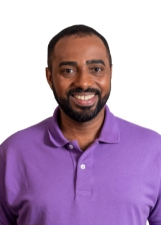
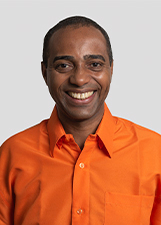
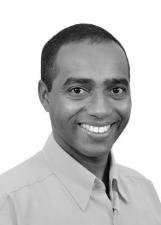
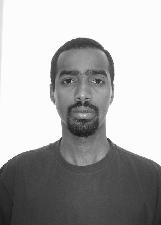
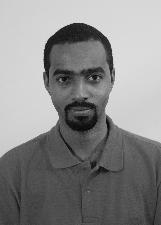
Prof. Josemar reported income and spending to the TSE in 10 campaigns: mayor in São Gonçalo (RJ) in 2008, 2012, 2016 and 2024, federal deputy for Rio de Janeiro in 2010, state deputy for Rio de Janeiro in 2014, 2018, 2022 and 2026, and city councillor in São Gonçalo (RJ) in 2020. The amounts are those of the time of each campaign, not adjusted for inflation. In the most recent campaign, in 2026, reported R$ 1.2 million in income: R$ 1.2 million from the Electoral Fund (FEFC), R$ 25 thousand from private donations (an online crowdfunding campaign) and R$ 36 thousand from own funds. Contracted spending totals R$ 874 thousand, mainly on activists and street mobilization (R$ 252 thousand) and third-party services (R$ 166 thousand); R$ 417 thousand has already been paid. In 2024, R$ 784 thousand in spending; in 2022, 50% of the R$ 1.2 million in spending went to activists and street mobilization. 2026 amounts are partial, according to the TSE data of 14/10/2026.
Income in 2026R$ 1.2 millionpartial, until 14/10/2026
Spending in 2026R$ 874 thousandcontracted, partial; R$ 417 thousand paid
Spending in 2024R$ 784 thousandcampaign closed; all paid
Campaigns10from 2008 to 2026
Fundraising, where the money came from:
- Electoral Fund (FEFC)
- Party Fund
- Other resources from the party and other campaigns
- Donations from individuals (includes crowdfunding)
- Own funds
Raised
R$ 1.2 million
donations from individuals and an online crowdfunding campaign
FEFC 95% · individuals 2% · own funds 3%
Spending contracted
R$ 874 thousand
paid so far: R$ 417 thousand (48%)
- Activists and street mobilizationR$ 252 thousand28.8%
- Third-party servicesR$ 166 thousand19.0%
- Property rentalR$ 160 thousand18.3%
- Printed materialsR$ 113 thousand13.0%
- 8 other categoriesR$ 182 thousand20.9%
Raised
R$ 791 thousand
4 individual donors
FEFC 87% · Party Fund 2% · individuals 3% · own funds 7%
Spending contracted
R$ 784 thousand
all paid (100%)
- Third-party servicesR$ 165 thousand21.1%
- Printed materialsR$ 138 thousand17.7%
- Activists and street mobilizationR$ 133 thousand16.9%
- Legal servicesR$ 90 thousand11.5%
- 8 other categoriesR$ 257 thousand32.8%
Raised
R$ 1.2 million
donations from individuals
FEFC 99% · individuals less than 1% · own funds less than 1%
Spending contracted
R$ 1.2 million
all paid (100%)
- Activists and street mobilizationR$ 580 thousand50.2%
- Printed materialsR$ 326 thousand28.3%
- Content boostingR$ 47 thousand4.1%
- Legal servicesR$ 30 thousand2.6%
- 6 other categoriesincludes R$ 116 thousand entered as "miscellaneous, to be specified"R$ 172 thousand14.9%
See the 7 previous campaigns
Raised
R$ 63 thousand
6 individual donors
FEFC 52% · party and other campaigns 9% · individuals 12% · own funds 26%
Spending contracted
R$ 51 thousand
all paid (100%)
- StaffR$ 19 thousand37.4%
- Content boostingR$ 11 thousand21.4%
- Vehicle lending or rentalR$ 5 thousand9.7%
- Creation and inclusion of web pagesR$ 4 thousand6.8%
- 8 other categoriesR$ 13 thousand24.7%
Raised
R$ 133 thousand
11 individual donors
FEFC 15% · party and other campaigns 10% · individuals 35% · own funds 40%
Spending contracted
R$ 117 thousand
all paid (100%)
- Printed materialsR$ 49 thousand41.7%
- Advertising in newspapers and magazinesR$ 18 thousand15.3%
- Third-party servicesR$ 15 thousand12.8%
- Content boostingR$ 15 thousand12.5%
- 5 other categoriesR$ 21 thousand17.7%
Raised
R$ 23 thousand
5 individual donors
party 44% · individuals 13% · own funds 43%
Spending contracted
R$ 22 thousand
the TSE does not publish the amount paid for this year
- Production of radio, television or video programsR$ 10 thousand45.5%
- Printed materialsR$ 6 thousand26.6%
- Third-party servicesR$ 3 thousand11.7%
- Advertising with stickersR$ 2 thousand9.0%
- 2 other categoriesR$ 2 thousand7.2%
Raised
R$ 60 thousand
6 individual donors
party and other campaigns 9% · individuals 17% · own funds 74%
Spending contracted
R$ 60 thousand
the TSE does not publish the amount paid for this year
- Printed materialsR$ 30 thousand50.8%
- Advertising in newspapers and magazinesR$ 12 thousand19.3%
- Mail and postageR$ 8 thousand13.8%
- Publicidade por placas, estandartes e faixasR$ 5 thousand7.7%
- 4 other categoriesR$ 5 thousand8.5%
Raised
R$ 15 thousand
3 individual donors
party 28% · individuals 37% · own funds 34%
Spending contracted
R$ 9 thousand
the TSE does not publish the amount paid for this year
- Printed materialsR$ 8 thousand89.1%
- Fuel and lubricantsR$ 1 thousand10.9%
Raised
R$ 15 thousand
7 individual donors
party and other campaigns 29% · individuals 42% · own funds 29%
Spending contracted
R$ 15 thousand
the TSE does not publish the amount paid for this year
- Printed materialsR$ 7 thousand43.1%
- Fuel and lubricantsR$ 4002.6%
- 1 other categoryR$ 8 thousand54.3%
Raised
R$ 17 thousand
donations from individuals
party and other campaigns 58% · individuals 23% · own funds 19%
Spending contracted
R$ 17 thousand
the TSE does not publish the amount paid for this year
- Printed materialsR$ 4 thousand25.1%
- Advertising with sound carsR$ 8004.6%
- Publicidade por placas, estandartes e faixasR$ 7104.1%
- Fuel and lubricantsR$ 4002.3%
- 2 other categoriesR$ 11 thousand63.8%
Source: campaign finance reports filed with the TSE (open data). Radar do Voto has these data from 2006 on in general elections and from 2008 on in municipal elections; earlier campaigns do not appear. 2026: partial amounts, according to the TSE data of 14/10/2026; 2024: TSE data of 14/09/2026; 2022: TSE data of 13/09/2026; 2020: TSE data of 12/09/2026; 2018: TSE data of 13/09/2026. Contracted spending is the total of the expenses the campaign reported; paid is the part already settled (the TSE only publishes the paid amount from 2018 on). The spending categories are the TSE's; the detail by supplier is in the dashboard. Corporate donations have been prohibited since 2015.
See donors, suppliers and spending ›